Jace Bain
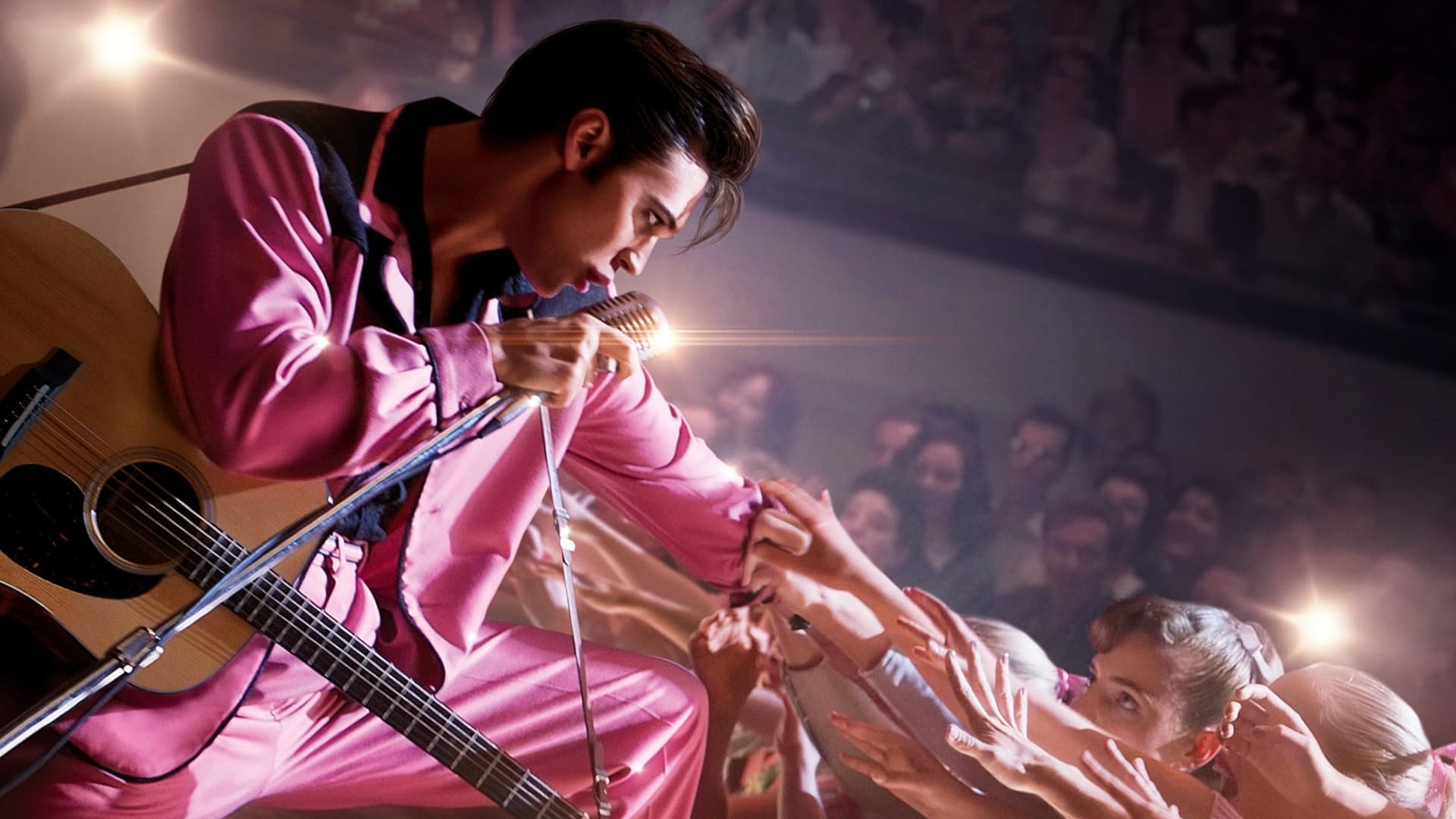
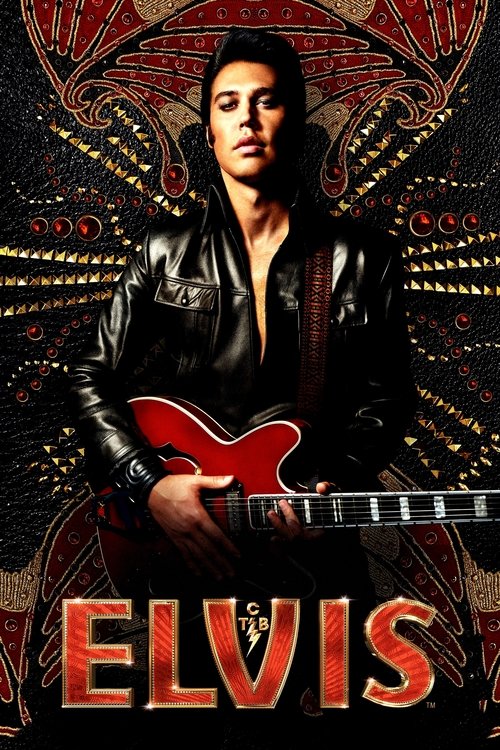
Film ruined the career of Elvis Presley. In the 1960s, while The Beatles and Rolling Stones were airborne across America, he was caught in a trap: starring in over 20 inane film projects. This allowed the rock n’ roll revolution that centered on Elvis to pass him by. Ironically, this story and more were adapted to the screen last month in the biographical film, ‘Elvis’. The picture was directed by Baz Lurhmann (of ‘Moulin Rouge!’ and ‘The Great Gatsby’ fame) and stars newcomer Austin Butler as our favorite jailhouse rocker. It spans Presley’s career entirely, but with a rigorous focus on the abusive relationship with his manager, “Colonel” Tom Parker, played by Tom Hanks.
The conspiracy theorists have been right all this time. Elvis Presley is alive and well, but young, thirty, and goes by the name of Austin Butler…or at least that’s what I saw on the screen. I can’t praise Butler enough, let alone give him the justice he deserves in this paragraph, so I recommend you keep an eye out for him this next awards season. I am of the adamant opinion that there are three different Elvis Presleys: 50s rock star, 60s movie star, and 70s icon. All three act and move so, so unalike, and Austin understood and played them all. The movie is almost sequenced in this way: giving all three Elvises (Elvi?) their own hour to portray themselves. Similar praises are in order to Helen Thompson, who plays Elvis’ mother, Gladys Presley, and Alton Mason who plays Little Richard, who I wish we would’ve seen more of. The first quarter of the movie is set in the late-1950s, around Elvis’ rise to fame, and a majority of these scenes, especially the few that have Elvis and Gladys conversing about what lies ahead for the both of them, are so tonally gripping and devastating. Every director has a style, whether that be the calculated darkness of Alfred Hitchcock or Michael Bay’s explosions-a-plenty. Baz Luhrmann’s is simply vehement extravagance. I can’t praise his art direction throughout the film enough. Whether it’s the set design, costume design, or the way Austin melts the camera lens whenever he’s on-screen, Baz Luhrmann’s presence is always intensely felt, especially if you’re familiar with his past work. Luhrmann also co-wrote the screenplay, which continues to make me feel as though he was the perfect man for this job. While your ‘Bohemian Rhapsodies’ will play ‘Another One Bites The Dust’ at the drop of any hat, ‘Elvis’ earns every music queue. It doesn’t just use the music, the film reexamines it. Tones in goofy, throw-away songs, like ‘Cotton Candy Land’ and ‘Power of My Love’, are completely overhauled and turned into life-defining theme songs for these real life characters. New songs, such as ‘Vegas‘ by Doja Cat, ‘Tupelo Shuffle‘ by Swae Lee with Diplo, and ‘Let It All Hang Out‘ by Denzel Curry also have this same sense of extravagance, electrifying every scene they’re in. One track that I thought was used beautifully and like never before was the iconic ‘Unchained Melody’, which had the audience ready to sob on the theater floor every time I saw the film on its opening weekend.
Truthfully, there was not much that I didn’t overwhelmingly enjoy. At around two hours and forty minutes, the runtime may be a little much for the average viewer. I’ve come to the determination that, yes, it’s long, but not too long. Nothing in the almost three hours could be lost without the story (and the emotional significance of its payoff) being affected drastically. The story flows like a puzzle, with every piece being important to understand the full picture. Baz states that there’s a four-hour cut somewhere in the archive and while he says it will most likely never see the light of day, I believe it. When it comes to time, though, I hate that we didn’t spend more time in the period where Elvis was forced to make those truly terrible films of the 1960s. You can feel the importance of this wasted time in Elvis’ life, but it’s not explicitly shown and might leave those unfamiliar addled. Our introduction to Elvis’ longtime wife, Priscilla Presley, was quite weak as well, as we never really see them meet. She’s just kind of…there. Sure, she’s not integral to the main story (that of Elvis and the Colonel), but not having your two romantic leads meet is surely a bold choice. Tom Hanks as Tom Parker is something I would have portrayed differently as well. I’ve seen a lot of people online refer to him as “cartoonish” and, when I saw the film with ‘Sabor Latino’ host Cristopher Loya, he could only compare Hanks’ performance to Jared Leto’s ridiculous portrayal of Paolo Gucci in 2021’s laughable ‘House of Gucci’. I have to agree. This cunning, evil businessman should have been lurking in the shadows of Elvis’ story, not ridiculously running around and laughing through halls with a cane. I feel like I’m watching Cesar Romero’s Joker compared to Heath Ledger’s. This is not to say it’s a terrible performance, which it isn’t, but simply succeeded in portraying a different idea than I would have liked it to.
Elvis Presley means so many different things to so many different people. As a man, he is portrayed truthfully here, with very little being held back. The climax of the movie, based around Elvis’ 1968 NBC television special, often referred to as “The Comeback”, shows the man grasping with mortality and relevancy with the undervalued song, ‘If I Can Dream’. This scene specifically says a lot about how the film and its crew feel about Elvis Presley, whether it’s the tears in Austin Butler’s eyes as he belts out the song, the camera’s intricate zoom on the Colonel watching Elvis from the background, or Baz Lurhmann’s distortion of the background with magazine articles, showing us how the world thought at the time. It’s almost an enhanced stage play with thick, thoughtful dialogue throughout. I very much enjoyed the film and it places high in my favorites of all time. While Elton John’s ‘Rocketman’ might still be my reigning, defending biopic champion, second place isn’t too shabby at all. The powers that be all came together to make this one, great cinematic experience that the entire family will be able to enjoy and appreciate. I recommend you do it while the film is still available in theaters across the globe.